Services
Art Psychotherapy
Explore and express your experiences through creativity.
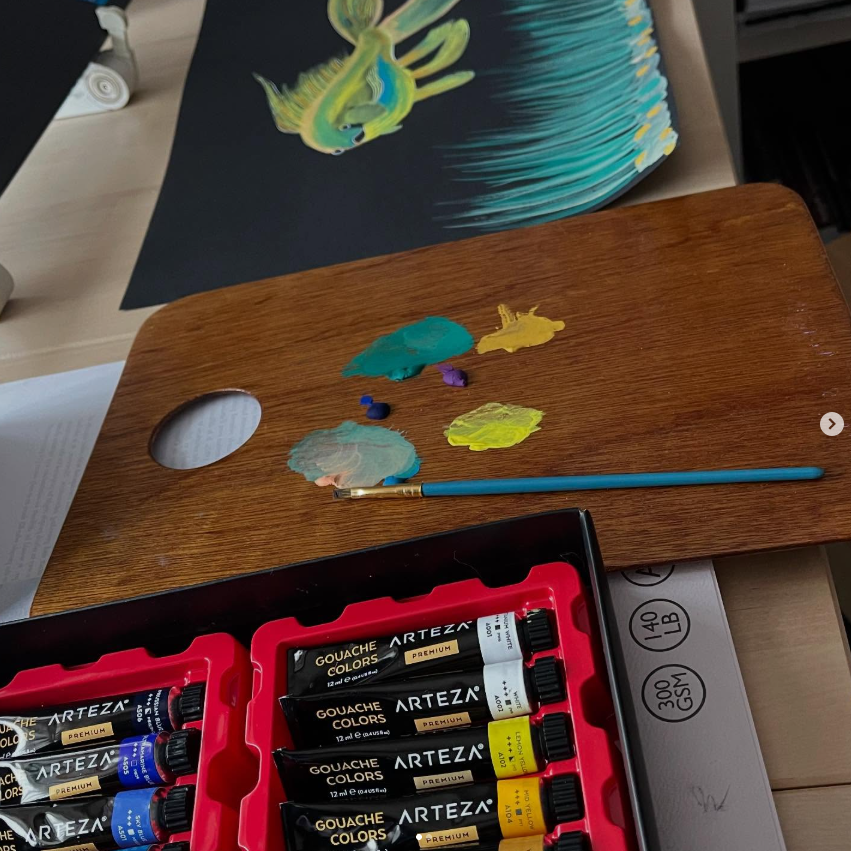
Individual therapeutic support for children, young people and adults.
Art Psychotherapy, also known as Art Therapy, offers a creative way to explore thoughts, feelings and life experiences. Through drawing, painting, collage and a range of other creative activities, it can provide an alternative way to express and communicate experiences that may sometimes be difficult to put into words.
You don't need to be good at art or have any previous creative experience. Art Psychotherapy isn't about producing a perfect picture or learning artistic techniques. Instead, it is about exploring, experimenting and finding your own ways of expressing yourself.
Therapy provides a safe, supportive and non-judgemental space where you can feel listened to, understood and accepted. Together, we can explore your creative expression, develop a deeper understanding of your experiences and feelings, and discover new ways of coping with life's challenges.
What to expect
Sessions can take place online or face-to-face, either individually or as part of a group, depending on individual needs and the service offered.
Individual sessions usually last 50 minutes and take place weekly at an agreed, regular time. This consistency helps establish a supportive therapeutic space and allows the therapeutic relationship to develop.
A range of art materials and creative activities are available to support exploration and expression. There is no expectation to produce artwork or work towards a particular outcome. The focus is on the creative process, the experiences and feelings that emerge, and the therapeutic relationship between you and your Art Psychotherapist.
How long does therapy last?
Everyone's needs and circumstances are different. Some people may benefit from a shorter period of therapy lasting a few weeks, while others may require longer-term support. The most appropriate approach and anticipated duration will be discussed during the initial meeting and reviewed as therapy progresses.
Dialectical Behaviour Therapy (DBT)
Building skills. Managing emotions. Creating a more balanced life.
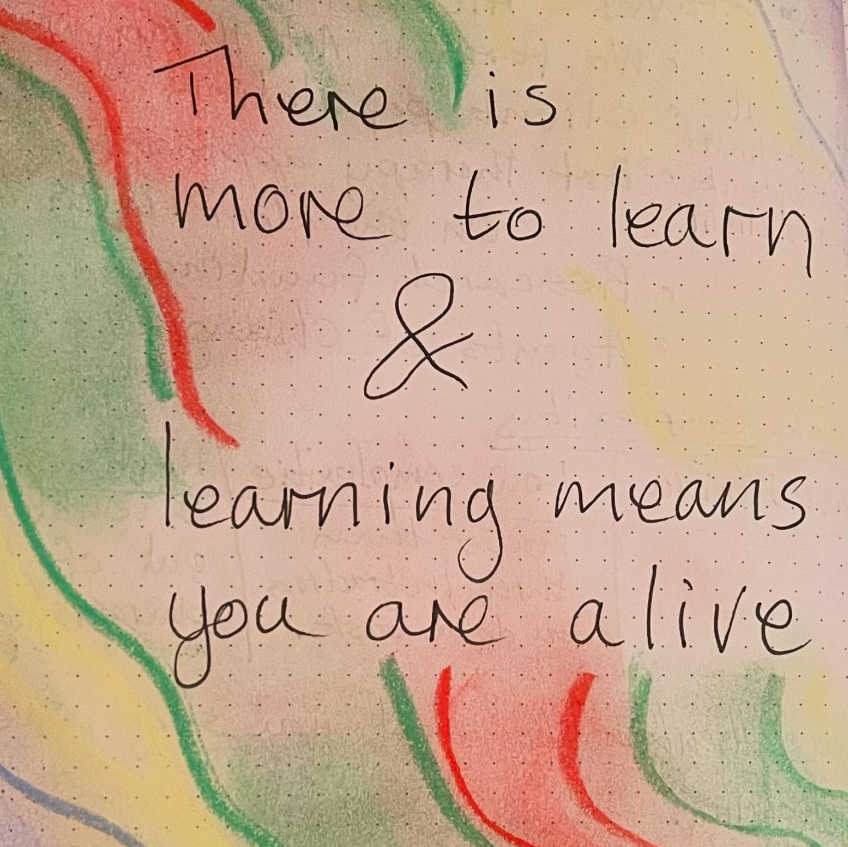
Dialectical Behaviour Therapy (DBT) is an evidence-based therapeutic approach that helps people understand and manage difficult emotions, navigate challenging situations and develop healthier relationships. It focuses on building practical skills to support emotional wellbeing and create a more balanced and fulfilling life.
Finding the right pathway
During an initial discussion, we will explore your individual needs, experiences and goals, and agree on the most appropriate therapeutic pathway together. This ensures that the support offered is relevant to your circumstances and what you would like to achieve.
Developing practical skills
DBT focuses on developing skills across four key areas: mindfulness, distress tolerance, emotion regulation and interpersonal effectiveness. These skills can help you become more aware of your thoughts and feelings, manage overwhelming emotions, cope with difficult situations and communicate more confidently and effectively with others.
Learning, practising and making progress
DBT involves learning and practising new skills over time. A structured programme typically runs over several weeks, allowing you to develop your understanding, build confidence and begin applying what you learn to everyday situations. Yes, there is some practice to do between sessions! This is an important part of DBT, helping you put your new skills into action in everyday life. You won't be expected to work it all out alone. I'll be there to guide and support you throughout the process. DBT has been widely used within NHS mental health services for many years and offers a practical, supportive approach for people who may find managing emotions, relationships and everyday challenges difficult.
Small steps can lead to meaningful change.
Nature-Based Therapy
Explore the restorative potential of the natural world.

Nature-Based Art Therapy brings together creative expression and the natural environment, offering opportunities to explore thoughts, feelings and experiences through a connection with the world around us.
My interest in nature-based therapy brings together my passion for the outdoors, creativity and therapeutic practice. I believe that spending time in nature can offer a valuable opportunity to slow down, reconnect and develop a different perspective. The changing seasons, natural materials, colours, textures and patterns provide inspiration for creative exploration and reflection.
Drawing on an integrative arts approach, therapeutic experiences may include working with natural materials, making images, sculpting, modelling and exploring movement and sensory experiences within natural surroundings. These activities can offer alternative ways to express feelings, explore experiences and communicate things that may be difficult to put into words.
Sessions are shaped around individual needs and may involve nature-inspired creative activities, exploring the natural environment or simply taking time to notice and connect with what is around us. There is no right or wrong way to create, and no previous artistic experience is needed. The emphasis is on the process of exploration, expression and discovery rather than the finished artwork.
What to expect
I offer individual and group sessions, usually lasting 50 minutes. The format, frequency and type of support will depend on individual needs and will be discussed and agreed during an initial meeting.
Whether working with natural materials, exploring the changing seasons or creating art outdoors, nature-based Art Therapy offers an opportunity to pause, reconnect and discover new ways of understanding ourselves and our experiences.
Continual Professional Development (CPD) Programme
Developing knowledge. Building confidence. Inspiring practice.
Patterns & Perspective offers Continuing Professional Development (CPD) training for organisations and professionals working across education, mental health and therapeutic services.
Drawing on over 20 years' experience across mental health, education and community settings, Pattern & Perspective training combines creative and therapeutic approaches with practical knowledge and skills. It is designed to support professionals in developing their understanding, strengthening their practice and responding more confidently to the emotional and psychological needs of the people they support.
Grounded in a compassionate, person-centred and trauma-informed approach, training places emphasis on emotional safety, therapeutic relationships and the importance of understanding the individual. It explores how creativity, play, emotional awareness and practical therapeutic strategies can be incorporated into everyday professional practice to support wellbeing, resilience and positive relationships.
Each training programme aims to encourage curiosity, reflection and discussion, providing opportunities for participants to explore new perspectives, share experiences and consider how learning can be applied within their own professional settings.
Whether introducing new approaches, developing existing skills or exploring specific areas of therapeutic practice, training is tailored to the needs of each organisation and the professionals taking part.
Areas of training
Potential training topics include:
Trauma-informed approaches to supporting children, young people and adults.
The principles and applications of Art Psychotherapy.
Creative approaches to therapeutic engagement and emotional expression.
Understanding emotional regulation, distress and emotional wellbeing.
Introduction to DBT-informed skills, including mindfulness, distress tolerance and emotion regulation.
Reflective practice and developing an understanding of the therapeutic relationship.
Integrating creative approaches into educational, therapeutic and mental health settings.
Tailored to your organisation
Training can be designed around your organisation's priorities, the professional roles of participants and the intended learning outcomes. Whether delivered through individual workshops, staff development days or bespoke CPD programmes, the focus is on providing relevant, engaging and practical learning that can be applied within professional settings.
All training will be delivered within the practitioner's professional qualifications, experience and scope of practice.
CPD training is educational and developmental in nature. It is not intended to replace clinical supervision, specialist clinical training, formal DBT accreditation or other regulated professional competencies.
Supporting professionals. Inspiring new perspectives. Creating opportunities for change.